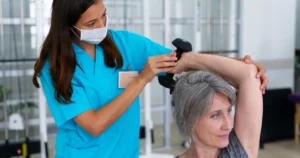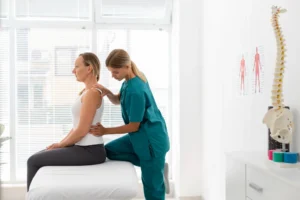
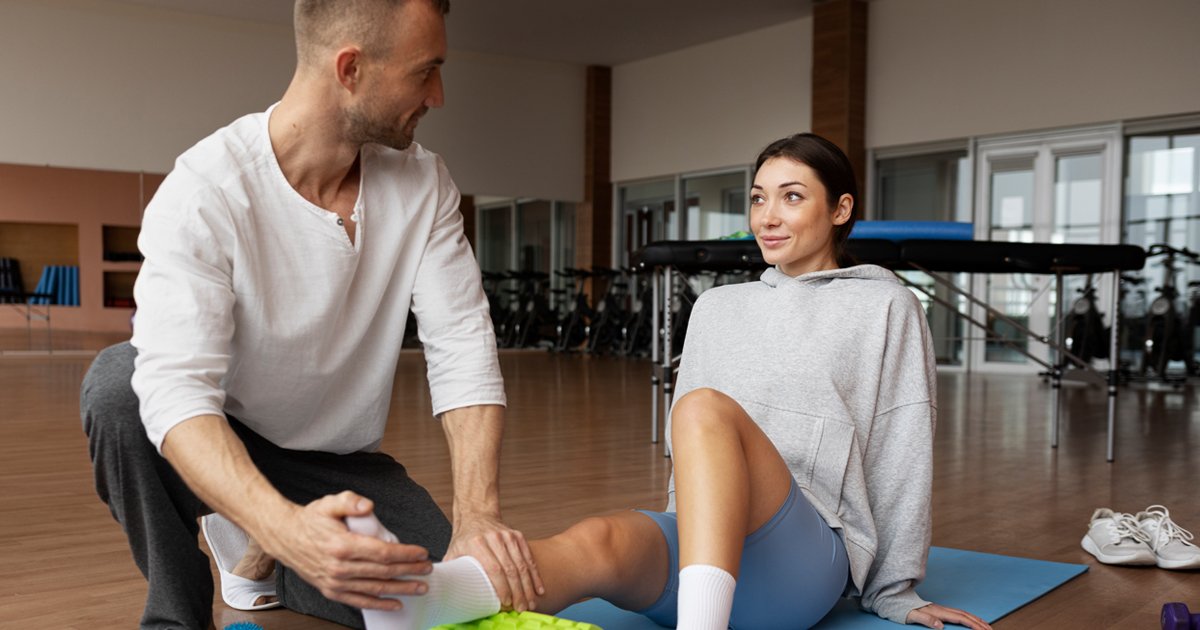
Recovering from an injury, surgery, illness, or neurological condition can require professional support and a structured recovery plan. Short-term rehabilitation helps individuals work toward improved mobility, strength, balance, and independence through personalized therapeutic interventions. Understanding the benefits of short-term rehabilitation can help patients and caregivers make informed decisions about recovery and daily care.
With appropriate guidance, Physical Therapy and Occupational Therapy can play important roles in helping individuals regain functional abilities, manage movement difficulties, and return to everyday activities as safely as possible.
What Is Short-Term Rehabilitation?
Short-term rehabilitation is a structured program designed to help individuals improve their physical abilities and functional independence following an injury, illness, surgery, or hospital stay. It generally focuses on specific recovery goals over a limited period, depending on the person’s condition, progress, and clinical needs.
Who Can Benefit from Short-Term Rehabilitation?
Short-term rehabilitation may be suitable for:
- Individuals recovering from surgery or an injury.
- Patients transitioning home after a hospital stay.
- People recovering from a stroke or other neurological conditions.
- Older adults experiencing reduced mobility or balance difficulties.
- Individuals who need support rebuilding strength and endurance.
- Patients who require assistance returning to daily routines.
The appropriate rehabilitation approach depends on an individual’s medical condition, current abilities, and recommendations from qualified healthcare professionals.
Also read: What Is Rehabilitation Therapy and How Does It Support Recovery and Better Mobility?
What Are the Benefits of Short-Term Rehabilitation?
Short-term rehabilitation supports more than physical healing by helping individuals regain daily living skills, build confidence, and improve functional independence. A well-planned program can help individuals improve functional abilities, practise essential daily tasks, and develop confidence as they work toward their recovery goals.
How Does Short-Term Rehabilitation Improve Mobility?
Reduced mobility can make walking, standing, climbing stairs, and moving between positions challenging. Rehabilitation exercises and movement training can help individuals gradually improve their ability to perform these activities.
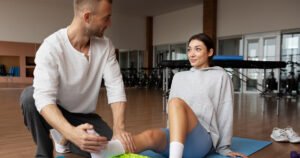
Physical Therapy may include guided exercises, walking practice, balance activities, and mobility training tailored to the person’s needs. Progress is monitored and exercises are adjusted according to tolerance and functional improvement.
Can Short-Term Rehabilitation Help Restore Strength?
Muscle weakness may develop after surgery, prolonged bed rest, illness, or injury. Targeted rehabilitation exercises can help improve muscle strength, endurance, and physical capacity.
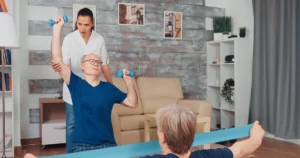
A personalized rehabilitation plan may include gradual resistance exercises, task-based movement practice, and stamina-building activities suited to the individual’s recovery needs. These interventions help patients practise movements required for everyday tasks while avoiding unnecessary strain.
How Does Rehabilitation Support Independence in Daily Activities?
Daily activities such as dressing, bathing, grooming, eating, and preparing meals may become difficult during recovery. Occupational Therapy focuses on helping individuals perform these activities as independently and safely as possible.
An occupational therapist may recommend task-specific practice, adaptive equipment, energy conservation strategies, and changes to the home environment. These approaches can help patients manage everyday routines according to their abilities.
Can Short-Term Rehabilitation Improve Balance and Coordination?
Balance and coordination difficulties can increase the risk of falls and make routine movements less secure. These challenges may occur following neurological conditions, injuries, surgery, or periods of reduced physical activity.
Rehabilitation may include balance exercises, weight-shifting activities, coordination training, and supervised walking practice. The difficulty level should be appropriate for the individual’s abilities and safety requirements.
Does Short-Term Rehabilitation Help Patients Return Home After Hospitalization?
Some patients require additional support before they can safely manage their daily routines at home. Short-term rehabilitation can help address limitations that remain after hospital treatment.
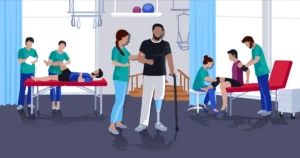
Depending on the patient’s condition, the program may focus on transfers, walking, personal care, stair practice, and the use of assistive devices. Therapists may also educate caregivers about safe assistance techniques and recommend practical home modifications.
How Can Rehabilitation Build Confidence During Recovery?
Physical limitations can make people uncertain about moving independently or returning to familiar activities. A structured rehabilitation plan provides opportunities to practise tasks gradually and track progress toward realistic goals.
Regular feedback, achievable milestones, and appropriate supervision can help individuals develop confidence in their abilities. Recovery experiences vary, so goals should reflect each person’s condition and rate of progress.
Also read: 10 Proven Benefits of Physiotherapy: How It Supports Better Health, Mobility & Recovery
What Is the Role of Physical Therapy in Short-Term Rehabilitation?
Physical Therapy is an important component of rehabilitation for individuals experiencing pain, weakness, movement limitations, balance difficulties, or reduced physical function.
What Does Physical Therapy Include?
Based on the individual’s needs and evaluation results, Physical Therapy may include the following interventions:
- Therapeutic exercises to improve strength and flexibility.
- Gait training to practise safe walking.
- Balance and coordination exercises.
- Functional mobility training for standing and transfers.
- Neurological rehabilitation for movement-related difficulties.
- Education on posture, safe movement, and home exercise programs.
The therapist selects suitable interventions based on the patient’s abilities, medical considerations, and rehabilitation goals.
How Does Physical Therapy Support Functional Recovery?
Physical Therapy helps individuals practise movements that are important for everyday life. For example, a patient recovering from surgery may work on walking and strengthening, while someone recovering from a stroke may need gait training, balance activities, and task-specific movement practice.
The focus is on improving functional abilities rather than simply completing exercises. Progress should be reviewed regularly so the rehabilitation plan can be adjusted when necessary.
How Does Occupational Therapy Support Recovery and Daily Independence?
Occupational Therapy helps people develop or regain the skills required to participate in daily activities. It is particularly useful when physical, cognitive, sensory, or coordination difficulties affect a person’s ability to manage routine tasks.
Which Activities Are Included in Occupational Therapy?
Depending on individual needs, Occupational Therapy may include:
- Practising dressing, grooming, and bathing.
- Improving hand function and fine motor coordination.
- Training in safe transfers and daily routines.
- Learning to use adaptive equipment.
- Developing strategies for managing everyday tasks.
- Identifying home safety improvements.
How Does Occupational Therapy Promote Independence?
Occupational therapists assess how a person’s condition affects daily functioning and identify practical ways to overcome difficulties. They may modify activities, introduce assistive devices, or teach alternative techniques to make tasks more manageable.
The objective is to help individuals participate in meaningful daily activities with an appropriate level of assistance.
How Long Does Short-Term Rehabilitation Take?
The duration of short-term rehabilitation varies according to the patient’s diagnosis, functional limitations, medical status, recovery goals, and response to treatment. Some people may require a few weeks of support, while others need a longer or more comprehensive rehabilitation plan.
What Factors Affect Rehabilitation Duration?
Several factors can influence the recovery timeline:
- The nature of the health condition and the extent of its impact on daily functioning.
- The person’s general health and physical capacity.
- The level of assistance required for daily activities.
- The frequency and consistency of rehabilitation sessions.
- The availability of appropriate support at home.
- Progress toward agreed functional goals.
Rehabilitation should be guided by professional assessment rather than a fixed timeline. A healthcare professional can recommend an appropriate schedule and review progress throughout the program.
What Should Patients Expect During a Short-Term Rehabilitation Program?
A rehabilitation program typically begins with an assessment and continues with planned interventions, progress reviews, and recommendations for ongoing recovery.
Step 1: Initial Assessment
The therapist reviews the patient’s medical history, movement abilities, strength, balance, functional limitations, and recovery goals. This assessment helps identify areas that need attention.
Step 2: Personalized Rehabilitation Planning
Based on the assessment, the healthcare team develops a plan that may include Physical Therapy, Occupational Therapy, functional training, and patient or caregiver education.
Step 3: Guided Therapy Sessions
Patients practise suitable exercises and daily activities under professional guidance. The intensity and complexity of activities are adjusted according to progress and safety.
Step 4: Progress Monitoring
The therapist reviews improvements in mobility, strength, balance, and independence. Treatment goals may be modified as the patient’s needs change.
Step 5: Transition to Home-Based Recovery
Before the program ends, patients and caregivers may receive guidance on home exercises, safe movement, assistive devices, and follow-up care. Continued practice and appropriate professional support can help maintain progress.
How Can Patients Get the Best Results From Short-Term Rehabilitation?
Active participation and consistent communication with the rehabilitation team can help patients work toward their recovery goals.
What Can Patients Do to Support Recovery?
- Follow the recommended rehabilitation plan.
- Practise prescribed home exercises as instructed.
- Communicate discomfort, fatigue, or new symptoms to the therapist.
- Use assistive devices when recommended.
- Maintain a suitable balance between activity and rest.
- Follow medical advice and attend scheduled reviews.
- Ask caregivers for appropriate support when needed.
Patients should not increase exercise intensity or attempt challenging activities independently without suitable guidance, particularly when balance problems, neurological symptoms, or post-surgical restrictions are present.
Frequently Asked Questions About Short-Term Rehabilitation
Is Short-Term Rehabilitation Only for Older Adults?
No. Short-term rehabilitation may benefit children, adults, and older adults who need help improving physical function or daily living skills. The treatment approach depends on the person’s age, condition, and individual goals.
Is Physical Therapy Different From Occupational Therapy?
Yes. Physical Therapy primarily focuses on movement, strength, balance, mobility, and physical function. Occupational Therapy focuses on helping individuals perform daily activities, develop practical skills, and improve independence. The two services can complement each other when both are needed.
Can Short-Term Rehabilitation Help After a Stroke?
Yes. Short-term rehabilitation may support stroke recovery by addressing movement limitations, balance difficulties, walking problems, and challenges with daily activities. Depending on the person’s needs, treatment may include neurological Physical Therapy and Occupational Therapy. Recovery varies, and some individuals require longer-term rehabilitation.
Can Rehabilitation Be Continued at Home?
In many cases, rehabilitation can include home-based exercises, functional practice, and follow-up sessions when clinically appropriate. A therapist can recommend a suitable home program and explain which activities are safe to perform independently.
Does Short-Term Rehabilitation Guarantee Faster Recovery?
No rehabilitation program can guarantee a particular recovery speed or outcome. However, an individualized plan can help patients practise relevant skills, address functional limitations, and monitor progress with professional guidance. Results depend on the condition, its severity, and the person’s response to treatment.
When Should Someone Consider Short-Term Rehabilitation?
Consider discussing rehabilitation with a qualified healthcare professional when an injury, illness, surgery, or neurological condition affects walking, balance, strength, self-care, or other everyday activities. Early assessment can help identify suitable interventions and establish realistic goals.
Conclusion
The benefits of short-term rehabilitation include opportunities to improve mobility, rebuild strength, develop balance, practise daily activities, and work toward greater independence. Physical Therapy supports movement and physical function, while Occupational Therapy helps individuals manage everyday tasks and participate more confidently in daily life.
With an individualized plan, regular progress reviews, and appropriate professional guidance, short-term rehabilitation can provide a structured pathway toward functional recovery. The right program should reflect each person’s needs, abilities, and long-term health goals.
Disclaimer: This article is intended for general informational and educational purposes only. Short-term rehabilitation programs and outcomes may vary depending on an individual’s health condition, recovery needs, and professional assessment. The information provided does not replace medical advice, diagnosis, or treatment from a qualified healthcare professional. Consult your healthcare provider before starting any rehabilitation exercises or therapy program.