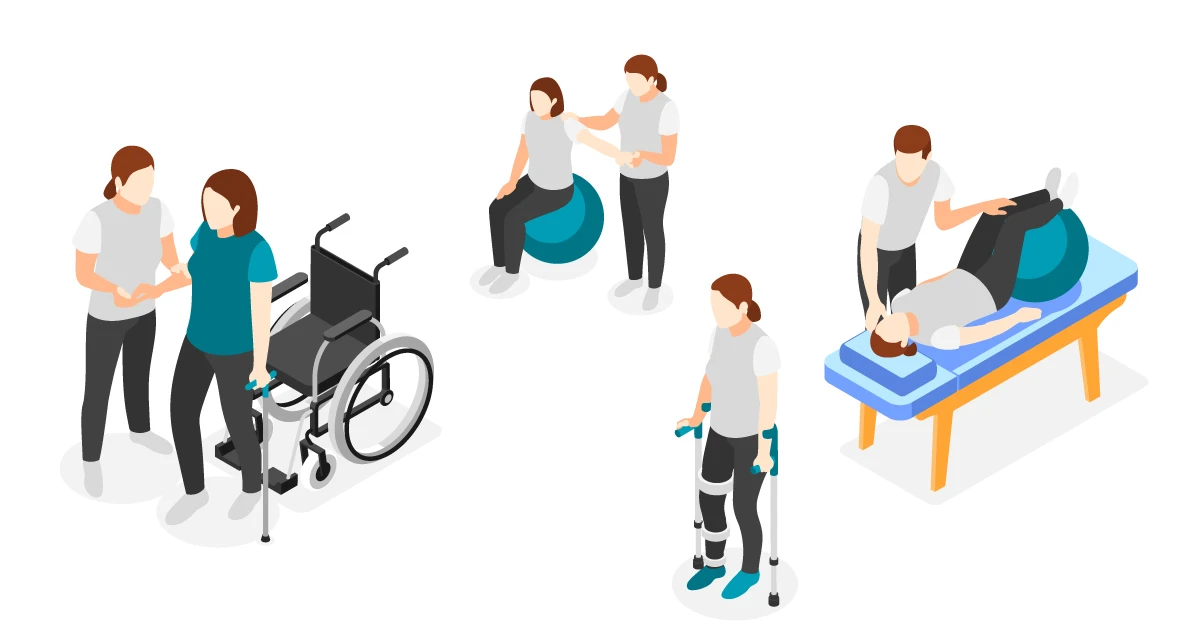
Physiotherapy plays an important role in helping people improve movement, physical function, mobility, and independence. The 10 Benefits of Physiotherapy go beyond simple exercise, as physiotherapy can support individuals at different stages of recovery and long-term rehabilitation. Through personalised assessment and appropriate care, techniques such as exercise therapy, functional training, gait and balance training, and neuro physiotherapy can help people work towards their individual physical goals.
10 Benefits of Physiotherapy for Better Movement and Recovery
1. Helps Improve Mobility
Reduced mobility can affect everyday activities such as walking, getting up from a chair, climbing stairs, or moving around independently. Physiotherapy focuses on understanding a person’s movement abilities and creating suitable strategies to improve mobility.
Targeted exercise therapy may help improve joint movement, muscle control, flexibility, and coordination. A physiotherapist can adapt activities according to an individual’s current abilities and progress.
2. Supports Better Strength and Physical Function
Strength is essential for performing everyday activities safely and efficiently. When muscles are weak or physical function is reduced, simple tasks can become more challenging.
Physiotherapy programmes may include carefully planned exercises to support muscle activation, strength, endurance, and movement control. Regular practice can help individuals gradually improve their ability to perform functional activities.
Exercise Therapy for Individual Goals
Exercise therapy is not simply about doing general exercises. A programme can be designed around a person’s specific needs, abilities, and functional goals. Exercises may be progressed over time as movement and physical capacity improve.
3. Improves Balance and Coordination
Balance and coordination are important for confident and controlled movement. Difficulties in these areas may affect standing, walking, turning, and performing daily activities.
Gait and balance training can focus on improving stability, weight shifting, coordination, and control during movement. Depending on individual needs, activities may be adjusted to provide the appropriate level of challenge.
4. Supports Walking and Gait Training
Walking requires coordination between multiple body systems. Changes in muscle control, balance, strength, or neurological function can influence a person’s gait.
Physiotherapy may include gait and balance training to assess walking patterns and support better movement strategies. Training can focus on stepping, weight transfer, posture, coordination, and safe mobility.

Why Gait Assessment Matters
Each person’s walking ability and challenges can be different. An individual assessment helps identify areas that may require attention and allows rehabilitation goals to be more specific and meaningful.
5. Plays an Important Role in Neuro Physiotherapy
Neuro physiotherapy focuses on supporting people with movement and functional challenges related to neurological conditions. Changes in muscle control, coordination, balance, walking, or functional ability may require a structured rehabilitation approach.
A neuro physiotherapy programme may include movement practice, balance activities, exercise therapy, task-specific practice, and functional training. The approach is tailored to the individual’s abilities and rehabilitation goals.
Supporting Functional Recovery
Recovery and improvement can look different for every individual. Treatment focuses on helping people practise meaningful movements and activities that are relevant to their everyday lives.
A Personalised Approach to Rehabilitation
Rehabilitation plans can be adjusted as an individual’s abilities, goals, and requirements change. Regular assessment and appropriate progression help ensure that activities continue to match the person’s functional needs.
6. Promotes Functional Independence
One of the important benefits is the focus on everyday function. Improving physical abilities is valuable when those improvements support meaningful daily activities.
Functional training may include practising movements involved in activities such as standing up, sitting down, walking, reaching, transferring, and other daily tasks. The goal is to help individuals use their physical abilities more effectively in everyday situations.
7. Supports Rehabilitation at Different Stages
Rehabilitation is often a gradual process. Care can support individuals at different stages by identifying current abilities and setting realistic, measurable goals.
A rehabilitation programme may change over time. Early sessions may focus on basic movement and control, while later stages may include more challenging functional training, mobility activities, and endurance exercises.
8. Encourages Better Body Awareness and Movement Control
Understanding how the body moves can help individuals perform activities with greater awareness and control. Physiotherapy can involve guided movement practice and feedback to help improve movement patterns.
Activities may focus on posture, alignment, coordination, muscle activation, and controlled movement. Developing better awareness can support more confident participation in everyday physical activities.
9. Helps Build Confidence in Movement
When movement becomes difficult, people may become less confident about performing certain activities. A structured programme provides an opportunity to practise movements gradually and according to individual ability.
As physical function improves, activities can be progressed carefully. Practising gait and balance training, mobility exercises, and functional tasks may help individuals become more comfortable with movement and daily activities.
10. Supports Better Quality of Life
The benefits of physiotherapy can extend beyond physical movement. Improved mobility, functional ability, coordination, and independence may help people participate more actively in their daily routines.
Whether the focus is neuro physiotherapy, long-term rehabilitation, exercise therapy, or improving everyday function, physiotherapy aims to support meaningful goals based on individual needs.
The 10 Benefits of Physiotherapy Depend on an Individualised Approach
The 10 Benefits of Physiotherapy demonstrate why personalised care is important for people working towards better mobility, physical function, balance, and independence. There is no single programme that is suitable for everyone. Individual needs can vary depending on current abilities, movement challenges, and personal goals.
A comprehensive approach may combine neuro physiotherapy, gait and balance training, exercise therapy, rehabilitation, and functional training where appropriate. With suitable assessment, guidance, and a personalised plan, physiotherapy can support individuals in working towards improved movement and greater participation in everyday life.
Take the First Step Towards Better Movement
If you are experiencing changes in mobility, balance, coordination, or physical function, a physiotherapy assessment can help identify your current abilities and rehabilitation goals. A qualified physiotherapist can recommend an approach based on your individual needs and support you throughout your journey towards better movement and functional independence.
Disclaimer
The information provided in this article is intended for general educational and informational purposes only. It should not be considered medical advice, diagnosis, or a substitute for consultation with a qualified healthcare professional.
Everyone’s condition, physical abilities, and rehabilitation needs are different. The benefits, exercises, and approaches discussed in this article may not be suitable for everyone. Always seek professional guidance before starting a new exercise or rehabilitation programme, particularly if you have an existing health condition or specific functional concerns.
The information presented is not intended to diagnose, treat, cure, or prevent any medical condition. If you experience new, worsening, or concerning symptoms, consult an appropriate healthcare professional for personalised advice.