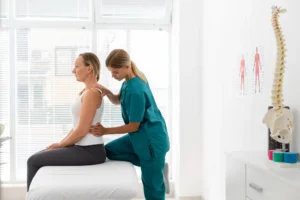

Physiotherapy at home can make rehabilitation more convenient for people who have difficulty travelling to a clinic or need support in their own environment. Physiotherapy at Home in Mangalore involves assessment, guided exercises, mobility training, and other rehabilitation techniques delivered at the patient’s residence. At Neuronova Physical Rehabilitation Center, home-based physiotherapy is provided according to the individual’s condition, mobility needs, and rehabilitation goals. With appropriate professional guidance, home-based care can support recovery while making therapy easier to incorporate into everyday life.
What Is Physiotherapy at Home?
Physiotherapy at home is a rehabilitation service where a qualified physiotherapist visits the patient’s residence to provide an appropriate assessment and treatment plan. Instead of travelling to a physiotherapy centre, the patient receives care in a familiar environment.
Depending on the individual’s condition and goals, sessions may include:
Mobility and flexibility exercises
Strengthening exercises
Balance and coordination training
Gait and walking practice
Postural education
Neurological rehabilitation
Functional movement training
Home exercise programmes
The treatment approach depends on the patient’s condition, physical abilities, safety requirements, and rehabilitation goals.
Who Can Benefit from Physiotherapy at Home?
Physiotherapy at home can be particularly useful for people who find regular travel difficult. This may include older adults, individuals recovering after surgery or injury, people with neurological conditions, and patients with reduced mobility.
Home sessions may also be helpful when a person needs assistance practising everyday movements such as standing, walking, transferring from a bed to a chair, or safely moving around the home.
However, home therapy is not automatically suitable for every situation. A physiotherapist should assess the person and determine whether treatment at home is appropriate.
Home Physiotherapy vs Clinic: What Is the Difference?
The choice between home and clinic-based physiotherapy depends on the patient’s condition, treatment requirements, mobility, and personal circumstances.
Home physiotherapy offers the advantage of receiving treatment in the environment where many daily activities take place. This can allow the physiotherapist to observe practical challenges, such as difficulty navigating stairs, getting out of bed, or moving safely around the house.
Clinic-based physiotherapy, on the other hand, may provide access to specialised equipment, larger treatment areas, and a controlled environment for certain rehabilitation activities.
When Is Physiotherapy at Home More Convenient?
Physiotherapy at home may be more convenient when travelling to a clinic is uncomfortable, difficult, or requires assistance. It can also reduce the need to arrange transportation and allow therapy sessions to take place within the patient’s normal routine.
For patients with significant mobility limitations, the home environment can also provide useful information about how their physical difficulties affect everyday activities.
What Happens During a Home Physiotherapy Session?
A typical session begins with an assessment. The physiotherapist may discuss the person’s symptoms, medical history, current abilities, daily activities, and rehabilitation goals.
The physiotherapist may then assess movement, muscle strength, balance, coordination, posture, walking ability, and functional activities where appropriate.
Based on these findings, the therapist develops a suitable treatment approach.
Exercises and Activities Used in Physiotherapy at Home
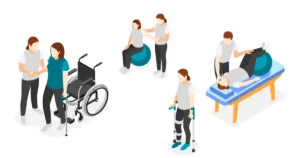
Physiotherapy at home can include different activities depending on the patient’s needs. For example, someone working on mobility may practise walking, transfers, balance, and lower-limb strengthening.
After surgery, a physiotherapist may gradually introduce suitable movements and strengthening activities to help the patient regain mobility and physical function. Someone undergoing neurological rehabilitation may work on coordination, gait, balance, functional movements, and motor control.
Patients should follow the exercise plan provided by their physiotherapist and avoid changing the intensity or difficulty of exercises without professional guidance. Patients should not independently increase exercise intensity simply because an activity feels manageable.
Is Home Physiotherapy Suitable for Older Adults?
Older adults may experience reduced strength, balance difficulties, joint stiffness, or decreased confidence with movement. These challenges can sometimes make travelling to a clinic difficult.
Home physiotherapy allows a physiotherapist to work with the individual in a familiar setting and focus on movements that are relevant to daily life.
For example, therapy may include practising safe transfers, walking indoors, using stairs, maintaining balance, and improving functional strength.
Family members or caregivers may also receive appropriate guidance about supporting safe movement and following the recommended exercise programme.
Physiotherapy at Home in Mangalore
For people looking for Physiotherapy at Home in Mangalore, home-based rehabilitation can provide an option for receiving professional physiotherapy without making frequent trips to a clinic.
Neuronova Physical Rehabilitation Center provides physiotherapy and rehabilitation services for adults and children, with treatment approaches based on individual needs. Where home-based care is appropriate, physiotherapy can focus on mobility, functional independence, neurological rehabilitation, balance, strength, and other rehabilitation goals.
The suitability of home sessions depends on the person’s condition and the type of care required. An assessment can help determine the appropriate treatment setting and rehabilitation plan.
Home Physiotherapy and Neurological Rehabilitation
People recovering from stroke, traumatic brain injury, spinal cord injury, Parkinsonian conditions, or other neurological disorders may have difficulties with walking, balance, coordination, strength, or everyday movements.
In such cases, physiotherapy at home can focus on functional rehabilitation within the patient’s daily environment. Treatment may involve gait practice, balance activities, movement retraining, strengthening, positioning, and exercises designed around individual abilities.
Consistency is important in rehabilitation, so the physiotherapist may also provide guidance for safe activities between professional sessions.
Is a Doctor at Home the Same as Home Physiotherapy?
The terms can sometimes be confused, but they describe different services. A doctor at home provides medical assessment and care in the patient’s residence, while home physiotherapy focuses on physical rehabilitation and movement-related goals.
A patient may sometimes require both medical and physiotherapy support, depending on the condition. Physiotherapy does not replace medical assessment when symptoms require a doctor’s evaluation.
How to Get Started with Physiotherapy at Home
Before beginning home-based rehabilitation, it is useful to understand the person’s condition, current abilities, and treatment goals. A physiotherapist can assess these factors and recommend whether home sessions are suitable.
A safe home programme should be personalised rather than based on generic exercises found online. The therapist can also recommend modifications to the environment where necessary to support safer movement.
Conclusion
Physiotherapy at home can make rehabilitation more accessible and practical for people who have difficulty travelling or need therapy that relates closely to their everyday environment. It can support mobility, strength, balance, functional independence, and condition-specific rehabilitation when provided by a qualified professional.
For individuals seeking home physiotherapy in Mangalore, Neuronova Physical Rehabilitation Center offers rehabilitation-focused care for adults and children. The right treatment setting depends on the person’s condition, goals, and clinical requirements.
Disclaimer
This article is intended for general informational and educational purposes only. The information provided should not be considered a substitute for professional medical advice, diagnosis, or treatment. Physiotherapy requirements can vary depending on an individual’s condition, medical history, and rehabilitation goals. Always consult a qualified healthcare professional or physiotherapist before starting a new exercise or rehabilitation programme, particularly after surgery, injury, or when experiencing persistent or worsening symptoms.
For additional information about rehabilitation, you can refer to the World Health Organization (WHO) and its rehabilitation information.