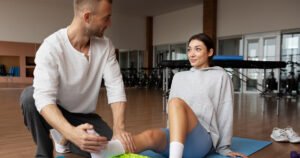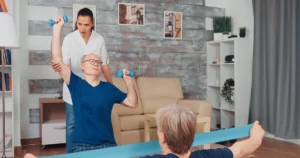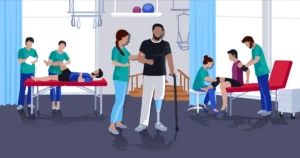
Stroke can affect movement, balance, coordination, communication, and the ability to perform everyday activities. Recovery varies from person to person, depending on the extent of brain injury, the functions affected, and overall health. A personalised rehabilitation programme can help stroke survivors improve functional movement, practise daily activities, and gradually work towards greater independence with appropriate professional guidance.
Physiotherapy is an essential part of many rehabilitation programmes. With an individualised plan, appropriate exercises, and consistent support, stroke survivors can work towards improving their mobility and quality of life.
What Is Stroke Rehabilitation?
Stroke rehabilitation is a structured process designed to help individuals recover or adapt to physical, cognitive, communication, and functional difficulties following a stroke. It focuses on improving the abilities needed for everyday life, such as sitting, standing, walking, dressing, and moving safely.
The rehabilitation programme depends on each person’s needs and may involve physiotherapy, occupational therapy, speech and language therapy, and other healthcare professionals.
Also Read: Physiotherapy at Home in Mangalore: A Practical Guide to Comfortable Rehabilitation
The main goals include:
- Improving muscle strength and movement control.
- Developing better balance and coordination.
- Supporting safe transfers and walking.
- Reducing the risk of falls and complications related to inactivity.
- Improving independence in daily activities.
- Helping individuals and caregivers understand safe recovery practices.
The Role of Physiotherapy in Improving Mobility After a Stroke
A stroke can affect the brain’s ability to control muscle movements and coordinate physical activities. Some individuals may experience weakness on one side of the body, muscle stiffness, balance difficulties, or challenges with walking.
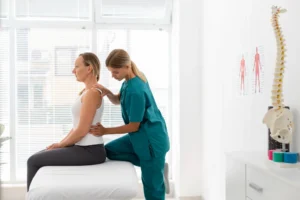
Stroke physiotherapy helps address these difficulties through personalised exercises and functional movement training. Treatment is tailored to the individual’s abilities, medical condition, and rehabilitation goals to support safer mobility and better performance in daily activities.
1. Improving Strength and Movement
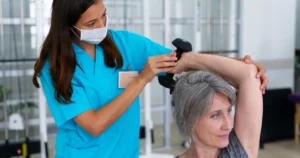
Weakness in the arms, legs, or trunk can make daily activities difficult. A physiotherapist may introduce supported movements, strengthening exercises, and task-specific activities to improve muscle activation and control.
2. Improving Balance and Coordination
Stroke can make it challenging to maintain stability while sitting, standing, or changing positions. Targeted balance exercises help individuals develop better body control, improve coordination, and move more confidently during everyday tasks.
3. Supporting Walking Recovery
Some individuals need assistance to stand, transfer between surfaces, or walk. Gait training may include supported standing, weight-shifting activities, stepping practice, and walking with suitable assistance or mobility aids.
4. Managing Muscle Stiffness
After a stroke, increased muscle tension may restrict joint mobility and make routine activities, such as dressing or maintaining a comfortable posture, more difficult. Management may involve appropriate positioning, guided mobility exercises, therapist-recommended stretching, and medical evaluation when necessary to improve comfort and support daily functioning.
When Should Stroke Rehabilitation Begin?
Rehabilitation assessment should take place as early as medically appropriate once the individual is stable. The timing and intensity of therapy depend on the stroke type, medical condition, and recommendations of the treating team.
Early rehabilitation may help prevent avoidable complications associated with prolonged inactivity and provide opportunities to practise safe movements. However, exercises should not begin independently without appropriate clinical guidance, particularly during the early stages of recovery.
Progress can continue over months and, for some people, longer. Improvement is not always linear, so rehabilitation goals should be reviewed regularly and adjusted to the individual’s changing abilities.
Exercises That Support Movement and Functional Recovery After a Stroke
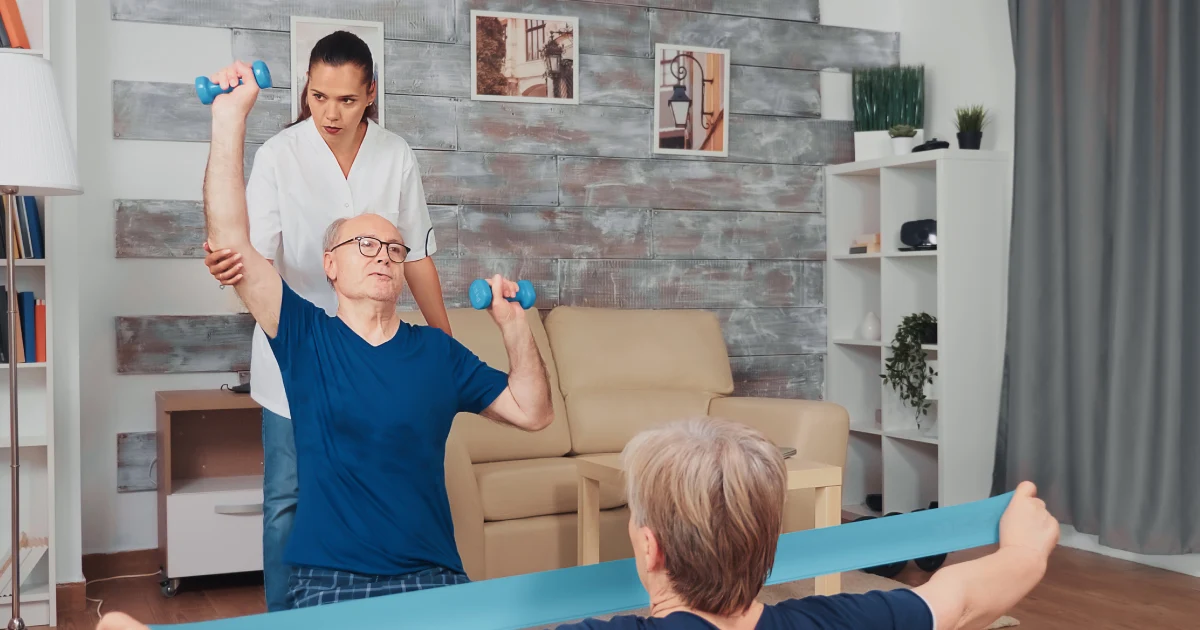
Stroke recovery exercises should be tailored to each individual’s strength, balance, mobility, and functional abilities. A physiotherapist can recommend suitable activities based on the person’s condition, ensuring that exercises are appropriate for their stage of recovery and safety needs.
Range-of-Motion Exercises
Gentle, guided movements can help maintain joint flexibility and support comfortable positioning. These exercises may be useful when movement is limited, but painful or forceful movements should be avoided.
Sitting and Standing Practice
With appropriate support, practising sitting balance, sit-to-stand movements, and controlled weight shifting may help develop postural control and functional strength.
Walking and Stepping Practice
When medically appropriate, supervised stepping and walking activities can help individuals practise the movements required for mobility. A physiotherapist may recommend a walking aid or additional support when necessary.
Functional Arm and Hand Activities
Reaching for objects, practising supported arm movements, and performing suitable everyday tasks may help improve upper-limb function. Hand recovery varies, and exercises should reflect the person’s current abilities.
Important: Do not attempt standing or walking exercises without assistance if there is a risk of falling. Stop an activity if it causes unusual pain, dizziness, chest discomfort, or significant breathlessness, and seek appropriate medical advice.
What Are the Different Stages of Stroke Rehabilitation?
Recovery does not follow the same timeline for everyone. However, rehabilitation often includes the following broad stages.
Initial Phase: Stabilisation and Regaining Basic Movement
During the early phase of recovery, the priority is to ensure medical stability, maintain proper positioning, reduce the risk of complications, and introduce safe movement under professional supervision.
Intermediate Stage: Functional Skill Development
As abilities improve, therapy may focus on sitting balance, transfers, standing, walking, and practising everyday movements.
Long-Term Stage: Independence and Participation
Ongoing rehabilitation may address endurance, more complex mobility, home activities, community participation, and strategies for managing persistent difficulties.
These stages can overlap. A person may continue working on basic movements while also practising more advanced tasks.
The Role of Family and Caregivers in Supporting Stroke Recovery
Family members and caregivers play an important role in supporting rehabilitation by encouraging regular practice, helping with recommended daily activities, and providing emotional support throughout the recovery process.
Caregivers can assist by:
- Following the physiotherapist’s instructions for safe movement and transfers.
- Keeping walking areas clear and reducing fall hazards at home.
- Encouraging participation without rushing or forcing movements.
- Maintaining a regular routine for prescribed exercises.
- Supporting adequate rest and attending recommended follow-up appointments.
- Reporting new symptoms, falls, pain, or changes in function to the healthcare team.
Caregivers should receive practical training before attempting lifting, transfers, or exercises that require physical assistance.
How to Select the Right Stroke Rehabilitation Programme for Recovery
A suitable rehabilitation programme begins with a comprehensive assessment of movement, muscle strength, balance, muscle tone, daily functioning, and individual recovery goals.
Based on the assessment findings, a physiotherapist can develop a personalised treatment plan and review progress regularly. The programme may be adjusted as the individual’s abilities and rehabilitation needs change. Depending on the person’s condition, therapy may be provided in a hospital, rehabilitation centre, outpatient clinic, or home environment.
Online consultations can be useful for rehabilitation education, caregiver guidance, and reviewing selected exercises when appropriate. However, individuals who need hands-on assistance, a physical assessment, or close supervision may benefit more from in-person sessions.
For those seeking stroke rehabilitation in Mangalore, choosing a provider that offers individualised assessments, clear treatment guidance, and regular follow-up can help create a more organised approach to recovery.
Frequently Asked Questions
Is Complete Recovery Possible After a Stroke?
Recovery depends on the severity of the stroke, the areas of the brain affected, and the individual’s overall health. While some people regain many of their previous abilities, others may require ongoing assistance and rehabilitation to manage long-term difficulties and maintain daily functioning.
How long does stroke rehabilitation take?
There is no fixed recovery period. Some people make noticeable progress in the first weeks and months, while others benefit from continued rehabilitation over a longer period. Goals should be reviewed regularly.
Are Home-Based Exercises Suitable for Stroke Recovery?
Home-based exercises may be appropriate after a qualified healthcare professional has assessed the individual’s condition and recommended activities suited to their recovery needs and physical abilities. People experiencing significant weakness, balance difficulties, or an increased risk of falling may need supervision to exercise safely.
How Can Neuro Physiotherapy Help Stroke Survivors?
Neuro physiotherapy aims to improve physical function following neurological injuries such as a stroke. Through tailored rehabilitation activities, it can help individuals work on muscle control, postural stability, coordination, and walking ability according to their specific needs.
How to Respond to Sudden Signs of a Stroke
Sudden facial drooping, weakness in an arm, difficulty speaking, vision changes, or a sudden loss of balance may indicate a stroke. Seek emergency medical attention immediately by calling local emergency services. Do not wait for a rehabilitation appointment, even if the symptoms improve or disappear.
Conclusion
Stroke recovery involves more than regaining muscle strength. It also includes improving movement control, balance, daily functioning, confidence, and participation in everyday life. A structured rehabilitation programme, appropriate exercises, caregiver support, and regular professional review can help individuals work towards realistic recovery goals.
The most suitable approach depends on the person’s condition and abilities. An individualised plan developed with qualified healthcare professionals can provide direction throughout the recovery process.
Stroke rehabilitation and recovery
Learn more about rehabilitation approaches and their role in improving functioning and independence through the World Health Organization’s rehabilitation resources.
Disclaimer: This article is for educational purposes only and does not replace professional medical advice. Consult a qualified healthcare professional before starting stroke rehabilitation exercises. Any sudden stroke symptoms require immediate emergency medical attention.