At Pelvic Floor Therapy in Mangalore helps improve bladder control, reduce pain, and strengthen muscles, enhancing overall pelvic health and daily comfort.

Detailed evaluation to identify the underlying causes of your symptoms and create a personalized treatment plan.
Targeted strengthening and relaxation exercises tailored to your specific condition and recovery goals.
Effective techniques to reduce pelvic pain, lower back discomfort, and muscle tension.
Specialized therapy to help mothers recover pelvic strength, core stability, and functional movement after childbirth.
Enhances muscle coordination and control to reduce urinary or bowel leakage and urgency.
Education and rehabilitation strategies that help prevent recurring symptoms and support lifelong pelvic health.
We discuss your symptoms, medical history, lifestyle factors, and rehabilitation goals.
Our therapist performs a detailed evaluation of pelvic floor function, posture, breathing patterns, and movement mechanics.
Based on your assessment findings, we design a customized therapy program suited to your needs.
Receive hands-on treatment, therapeutic exercises, muscle retraining, and education from our specialists.
We continuously track your progress and adjust your program to ensure optimal recovery and long-term results.
Our therapists are trained in evidence-based pelvic floor rehabilitation techniques.
Every treatment plan is customized according to your symptoms, goals, and lifestyle.
We use comprehensive evaluations to identify the root cause rather than simply treating symptoms.
A comfortable, respectful, and private environment where you can discuss concerns openly.
Our therapists are trained in evidence-based pelvic floor rehabilitation techniques.
A comfortable, respectful, and private environment where you can discuss concerns openly.
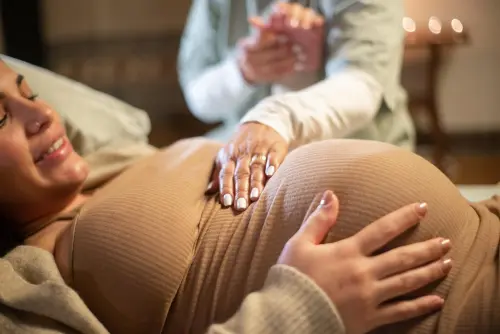
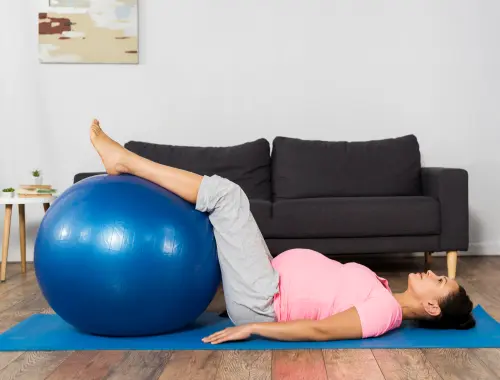
Pelvic floor therapy during pregnancy helps strengthen muscles, reduce discomfort, support bladder control, and prepare the body safely for delivery.
Post-delivery recovery therapy restores pelvic strength, improves bladder control, reduces pain, and supports healing after childbirth, promoting faster and safer recovery.
During menopause, pelvic floor therapy helps manage hormonal changes, reduce dryness, improve bladder control, and maintain strength for better pelvic health.
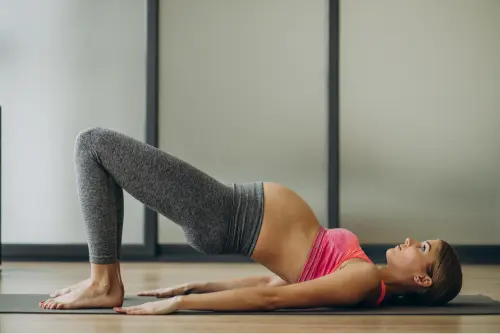
Pelvic floor muscle training focuses on strengthening and improving coordination of pelvic muscles, helping enhance bladder control, reduce leakage, support organs, and improve overall pelvic stability and function.
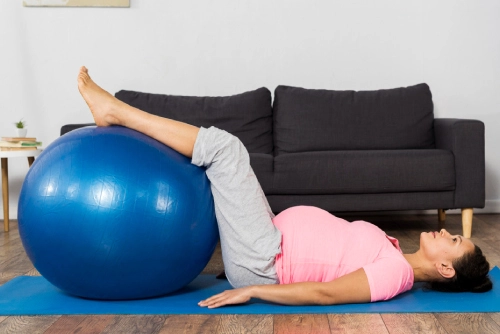
Kegel exercise guidance focuses on teaching proper contraction and relaxation of pelvic muscles, helping build strength, improve control, reduce incontinence, and support healthy bladder and bowel
function.
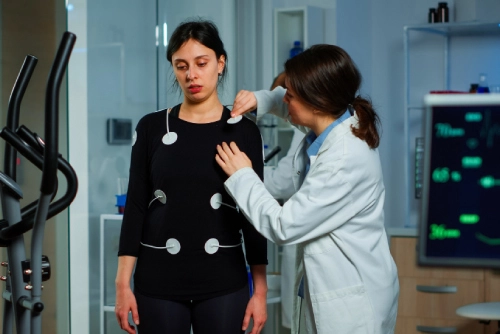
Biofeedback therapy uses specialized equipment to monitor pelvic muscle activity, helping patients understand muscle function, improve control, and perform exercises correctly for better and faster recovery
outcomes.
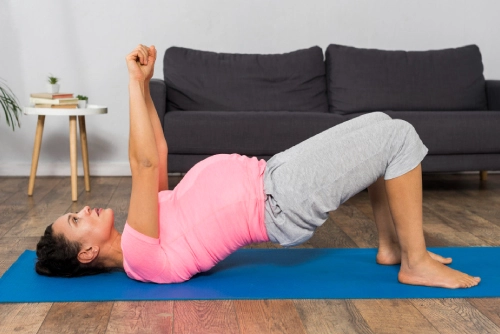
Core strengthening exercises improve abdominal and back muscle support, enhancing pelvic stability, posture, and coordination, while reducing strain on pelvic floor muscles and improving overall body
balance.
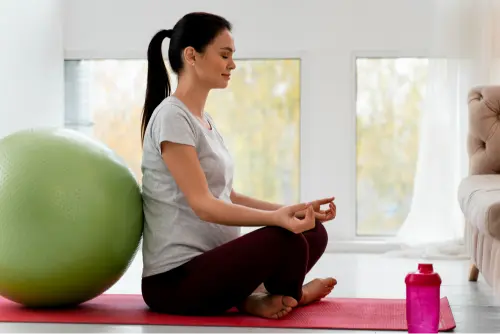
Breathing and relaxation techniques help reduce pelvic tension, improve muscle coordination, enhance oxygen flow, and support better control, promoting effective pelvic floor function and overall physical relaxation.
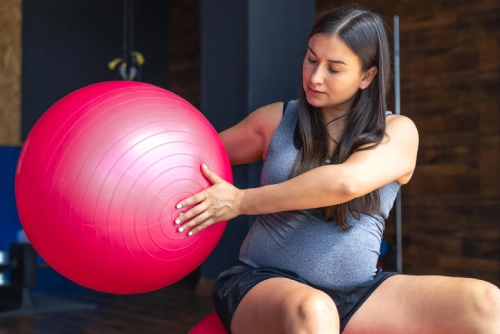
Postpartum rehabilitation focuses on restoring pelvic strength after childbirth, reducing pain, improving bladder control, supporting healing, and helping new mothers safely return to daily activities and
fitness.
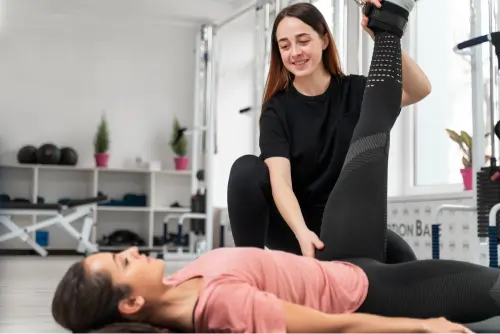
Manual therapy techniques involve hands-on treatment to release muscle tension, improve circulation, reduce pain, and enhance mobility, supporting better pelvic floor function and faster rehabilitation outcomes.

Bladder and bowel retraining programs help improve control, establish healthy habits, reduce urgency and frequency, and restore normal function through structured routines and guided pelvic floor exercises.
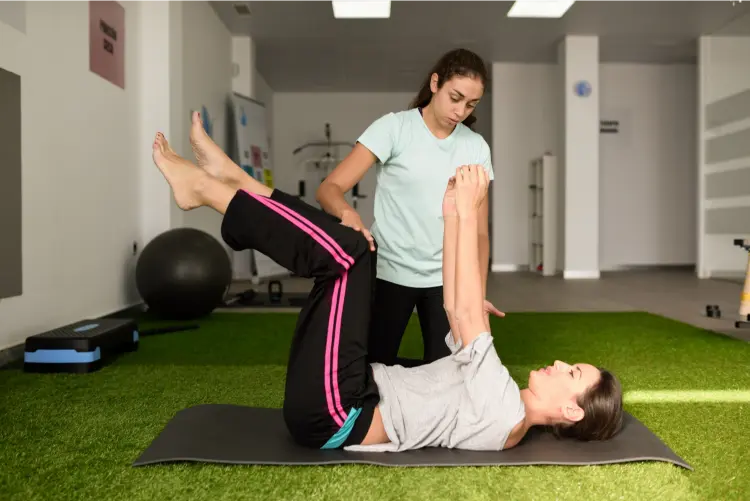
Pelvic floor therapy is a specialized physiotherapy treatment that helps strengthen, relax, and improve coordination of the pelvic floor muscles to address issues such as incontinence, pelvic pain, and postpartum weakness.
Women, men, and individuals recovering from childbirth, surgery, pelvic pain conditions, or bladder and bowel dysfunction can benefit from treatment.
Most treatments are gentle and comfortable. Your therapist will explain each step and tailor the approach to your comfort level.
The number of sessions varies depending on your condition, severity of symptoms, and treatment goals. Your therapist will provide a personalized recommendation after assessment.
Yes. Pelvic floor therapy is highly effective in restoring muscle strength, improving core stability, and addressing postpartum symptoms.
In most cases, you can directly schedule an assessment with our pelvic floor therapy specialists.
WhatsApp Us