Rehabilitation Therapy is an important part of recovery for people experiencing difficulties with movement, strength, balance, coordination, or everyday activities due to injury, illness, surgery, neurological conditions, or developmental challenges. It focuses on helping individuals improve physical function, regain independence, and participate more comfortably in daily life.
At Neuronova Physical Rehabilitation Center, rehabilitation programs are planned according to each person’s condition, functional needs, goals, and recovery requirements. A personalized approach can help address specific limitations while supporting gradual and safe progress.
What Is Rehabilitation Therapy?
Rehabilitation Therapy refers to a range of therapeutic approaches designed to help individuals restore or improve physical function and independence after a health condition, injury, or other functional limitation.
A personalized program may focus on:
- Improving strength and flexibility
- Developing balance and coordination
- Improving walking and movement
- Increasing mobility and physical function
- Supporting recovery after injury or surgery
- Managing movement difficulties associated with neurological conditions
- Improving performance in everyday activities
- Supporting children’s developmental and motor skills
Rehabilitation is not always about returning to a previous level of physical ability. In some cases, the goal may be to develop new strategies and skills that help a person perform daily activities more independently.
How Does Rehabilitation Therapy Help Recovery?
1. Improves Mobility and Movement
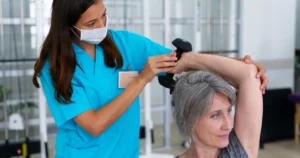
Difficulty moving can occur after injury, surgery, neurological conditions, prolonged hospitalization, or periods of inactivity. Rehabilitation exercises can focus on improving range of motion, muscle control, coordination, and functional movement.
A therapist may gradually introduce activities that are appropriate for the person’s current abilities and recovery goals.
2. Builds Strength and Physical Function
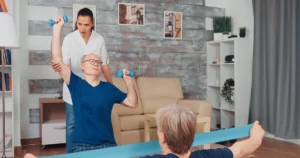
Reduced activity can contribute to muscle weakness and reduced endurance. Rehabilitation programs may include carefully selected strengthening and functional exercises to help improve physical capacity.
The exercises can be progressed gradually as the person’s abilities improve.
3. Supports Balance and Coordination
Balance difficulties can affect walking and increase the risk of falls. Therapy may include balance exercises, coordination activities, postural training, and functional movement practice.
These approaches can be particularly relevant for people experiencing neurological or age-related movement difficulties.
4. Encourages Greater Independence
One of the important goals of rehabilitation is helping individuals perform everyday activities as independently as possible.
Depending on the person’s needs, therapy may involve practicing tasks such as:
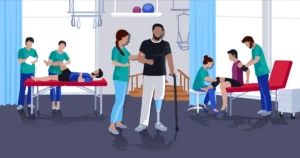
- Walking and transfers
- Standing and sitting
- Climbing stairs
- Reaching and handling objects
- Maintaining posture
- Performing everyday functional movements
Who May Benefit From Rehabilitation Therapy?
Rehabilitation After Injury or Surgery
People recovering from certain injuries or surgical procedures may experience weakness, stiffness, reduced mobility, or difficulty returning to normal activities. Rehabilitation can help address these functional limitations through an individualized program.
Neurological Rehabilitation
Neurological conditions can affect the way a person moves, maintains balance, coordinates their body, controls muscles, or carries out routine activities. A structured therapy program can help address these functional challenges by focusing on the individual’s specific abilities and goals.
Depending on the condition and assessment, therapy may include movement training, balance activities, strengthening exercises, gait practice, coordination exercises, and functional task training to support greater independence in daily life.
Pediatric Rehabilitation
Children with developmental or neurological conditions may require specialized rehabilitation support. Therapy may focus on motor development, balance, posture, coordination, functional movement, and age-appropriate activities.
At Neuronova Physical Rehabilitation Center, rehabilitation services are available for both adults and children based on individual needs.
Also read: What Is Physiotherapy? Benefits, Treatments, and What to Expect
What Happens During Rehabilitation Therapy?
Assessment and Goal Setting
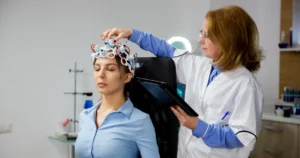
The rehabilitation process generally begins with an assessment of movement, strength, balance, coordination, functional abilities, and other relevant factors.
The therapist can then identify areas that may benefit from intervention and establish appropriate therapy goals.
Personalized Therapy Plan
There is no single rehabilitation program that works for everyone. A therapy plan may include exercises, functional activities, balance training, mobility exercises, postural training, and other therapeutic techniques depending on the individual’s condition.
Progress Monitoring
Recovery can change over time. A rehabilitation professional may monitor progress and adjust the therapy program according to changes in strength, mobility, function, and goals.
How Long Does a Rehabilitation Program Take?
The duration of a rehabilitation program varies from person to person. It can depend on the underlying condition, severity of functional limitations, overall health, therapy goals, consistency with the recommended program, and individual response to treatment.
Some people may require short-term rehabilitation, while others with neurological or developmental conditions may benefit from longer-term therapy and periodic reassessment.
Frequently Asked Questions
Is Rehabilitation Therapy Only Needed After an Injury?
No. Rehabilitation can also support people experiencing functional difficulties related to neurological conditions, surgery, chronic health conditions, developmental challenges, aging, or prolonged inactivity.
Can Physical Rehabilitation Improve Walking and Balance?
Physical rehabilitation may help improve walking, balance, coordination, and functional mobility when these areas are affected by an appropriate condition. The specific therapy approach depends on the individual’s assessment, condition, and recovery goals.
Is Rehabilitation Therapy suitable for children?
Yes. Children with developmental or neurological challenges may benefit from age-appropriate rehabilitation programs designed around their developmental and functional needs.
Does rehabilitation require exercises at home?
A therapist may recommend appropriate home exercises or activities when suitable. Following professional guidance consistently can help support the overall rehabilitation process.
When should someone consider Rehabilitation Therapy?
If an individual is experiencing persistent difficulty with movement, balance, strength, coordination, walking, or everyday activities, a consultation with a qualified healthcare professional can help determine whether rehabilitation may be appropriate.
Rehabilitation Therapy at Neuronova Physical Rehabilitation Center
At Neuronova Physical Rehabilitation Center, rehabilitation care is designed around the individual’s condition, goals, and recovery needs. The center provides personalized physiotherapy and rehabilitation using evidence-based techniques and modern rehabilitation equipment.
Services may include Neuro Physiotherapy, Exercise Therapy, Balance Training, Physical Rehabilitation, Gait and Balance Training, Vestibular Rehabilitation, Spasticity Management, Functional Electrical Stimulation (FES), Pediatric Rehabilitation, and Pelvic Floor Therapy, depending on individual requirements.
The aim is to support improvements in mobility, strength, balance, physical function, and independence through an individualized rehabilitation approach.
Conclusion
Rehabilitation Therapy can play an important role in helping individuals improve movement, strength, balance, coordination, and functional independence. Whether rehabilitation is needed after an injury, surgery, neurological condition, or developmental challenge, an individualized approach can help address the person’s specific functional needs.
At Neuronova Physical Rehabilitation Center, rehabilitation programs are planned based on individual assessment, goals, and recovery requirements. If you or a family member is experiencing difficulties with movement or everyday function, consulting a qualified rehabilitation professional can help determine the appropriate next steps.
Learn About Rehabilitation – WHO
Rehabilitation can help people improve or maintain functioning and independence in everyday activities. Learn more about rehabilitation from the World Health Organization (WHO).
Disclaimer
This article is intended for general educational and informational purposes only. It does not provide medical diagnosis, treatment, or personalized medical advice. Rehabilitation needs vary between individuals and should be assessed by a qualified healthcare professional. Always consult an appropriate healthcare provider for advice regarding a specific condition, symptoms, or treatment plan.