
Parkinson’s disease is a progressive neurological condition that affects the brain’s ability to control body movements, often leading to difficulties with balance, coordination, posture and muscle control. Individuals may notice symptoms such as hand tremors, stiffness, slower movements and challenges with routine activities, including walking, standing and changing positions.
While there is currently no cure for the condition, appropriate rehabilitation and consistent physical activity can help manage its effects and maintain functional abilities. Parkinson’s Disease and Physiotherapy are closely connected through rehabilitation approaches that focus on improving balance, walking patterns, posture, muscle strength and coordination.
At Neuronova Physical Rehabilitation Center, personalised physiotherapy programmes are designed around individual needs and abilities, helping people work towards safer movement, greater confidence and improved independence in everyday life.
Parkinson’s Disease and Physiotherapy: Supporting Better Movement, Balance, Strength and Daily Independence
Parkinson’s Disease and Physiotherapy
Understanding Parkinson’s Disease
Parkinson’s disease is a progressive neurological disorder that affects movement control, coordination and balance. It develops when dopamine-producing brain cells gradually become damaged, leading to symptoms such as tremors, muscle stiffness, slowed movements and postural difficulties.
How Parkinson’s Disease and Physiotherapy Are Connected
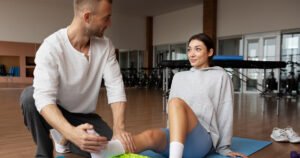
Physiotherapy helps individuals manage movement-related challenges through targeted exercises focusing on balance, gait, posture, flexibility and muscle strength. A personalised rehabilitation programme can support functional mobility, improve movement confidence and help maintain independence in everyday activities.
What Is Parkinson’s Disease?
Parkinson’s disease is a neurological disorder that primarily affects the brain cells responsible for producing dopamine, a chemical messenger involved in controlling movement.
As dopamine-producing cells gradually become damaged, the brain finds it more difficult to regulate smooth and coordinated movements. This can lead to several physical and functional challenges.
What Are the Common Symptoms of Parkinson’s Disease?
Symptoms can vary from person to person and may develop gradually.
Common symptoms include:
- Tremors: Uncontrolled rhythmic movements or shaking, commonly affecting the hands and fingers.
- Muscle stiffness: Increased muscle rigidity that makes movement uncomfortable or difficult.
- Bradykinesia: Slowness of movement, affecting everyday activities.
- Balance difficulties: Reduced postural stability and increased risk of falls.
- Walking difficulties: Short steps, reduced arm swing and difficulty initiating movement.
- Postural changes: Forward bending or a stooped body position.
- Freezing of gait: Temporary difficulty starting or continuing to walk.
These symptoms can affect independence, confidence and participation in everyday activities.
Also read: 10 Proven Benefits of Physiotherapy: How It Supports Better Health, Mobility & Recovery
How Does Parkinson’s Disease Affect Daily Activities?
Parkinson’s disease can gradually influence how a person performs routine tasks. Movements that were previously simple may require additional time, effort and concentration.
For example, an individual may experience difficulty getting out of bed, standing from a chair, walking through narrow spaces, turning around or climbing stairs.
Changes in balance and walking patterns may also increase the risk of falls. Muscle stiffness and reduced movement can further affect flexibility and physical endurance.
Physiotherapy helps address these functional challenges through structured exercises and movement strategies designed around the individual’s abilities and rehabilitation goals.
What Is the Role of Physiotherapy in Parkinson’s Disease?
Physiotherapy helps individuals manage movement-related difficulties and maintain functional abilities for as long as possible.
Treatment focuses on improving physical performance, supporting safe movement and encouraging participation in daily activities.
1. Balance Training
Balance difficulties are common in Parkinson’s disease and can affect standing, walking and changing positions.
Physiotherapy may include exercises such as:
- Weight-shifting activities.
- Standing balance exercises.
- Controlled reaching activities.
- Stepping in different directions.
- Dynamic balance training.
- Functional balance activities.
These exercises help improve postural control, coordination and confidence during movement.
2. Gait Training for Better Walking
Changes in walking patterns can make mobility challenging for people with Parkinson’s disease. Individuals may develop shorter steps, reduced walking speed, decreased arm swing or freezing episodes.
Gait training focuses on improving walking patterns through:
- Practising longer and more controlled steps.
- Improving walking rhythm and coordination.
- Training safe turning techniques.
- Practising starting and stopping movements.
- Using visual or auditory cues when appropriate.
- Improving walking confidence and stability.
These techniques help individuals develop safer and more efficient walking strategies.
3. Posture Correction and Movement Training
Some individuals with Parkinson’s disease develop a forward-flexed or stooped posture, which may affect balance, walking and everyday movement.
Postural training may include:
- Trunk extension exercises.
- Shoulder mobility activities.
- Spinal flexibility exercises.
- Exercises for postural awareness.
- Strengthening of postural muscles.
- Functional sitting and standing practice.
Improving postural awareness can support better body alignment and movement control.
4. Strengthening Exercises
Muscle weakness and reduced physical activity can affect the ability to perform everyday tasks.
A physiotherapist may introduce strengthening exercises targeting the legs, arms, trunk and core muscles.
Examples include:
- Sit-to-stand exercises.
- Supported squats.
- Step-up activities.
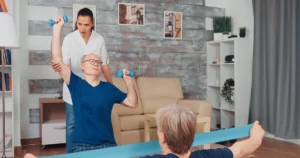
- Resistance band exercises.
- Core strengthening.
- Lower-limb strengthening activities.
Exercises are adjusted according to the individual’s strength, balance and tolerance.
5. Flexibility and Range of Motion Exercises
Muscle stiffness and rigidity can restrict movement and make daily activities more difficult.
Stretching and mobility exercises may help maintain joint movement and reduce the effects of stiffness.
Common activities include gentle trunk rotation, shoulder mobility exercises, hip flexibility training, ankle movements and controlled stretching.
How Does Physiotherapy Help Improve Gait, Posture and Functional Mobility?
Improving Gait, Posture and Functional Mobility is an important part of Parkinson’s disease rehabilitation.
A structured physiotherapy programme addresses different aspects of movement rather than focusing on a single symptom.
For example, gait exercises help improve walking patterns, balance activities support stability, and strengthening exercises improve the ability to perform functional tasks.
Combining these approaches can help individuals:
- Walk with better step control.
- Improve coordination during movement.
- Maintain a more upright posture.
- Perform sit-to-stand movements more easily.
- Improve balance during daily activities.
- Develop strategies to manage movement difficulties.
- Maintain independence in routine activities.
The exercises and techniques used depend on the individual’s symptoms, physical abilities and stage of the condition.
Which Physiotherapy Exercises Are Suitable for People with Parkinson’s Disease?
Exercise selection depends on the individual’s movement difficulties, balance, strength and overall health.
A physiotherapist may recommend different activities based on an initial assessment.
What Are Some Examples of Rehabilitation Exercises?
1. Sit-to-Stand Practice
Practising standing up from and sitting down on a chair helps improve lower-limb strength and functional independence.
2. Marching in Place
Controlled marching exercises help practise weight shifting, coordination and stepping movements.
3. Side-Stepping Exercises
Side-stepping activities encourage movement in different directions and help develop dynamic balance.
4. Trunk Rotation Exercises
Gentle trunk rotations help maintain spinal mobility and improve movement flexibility.
5. Walking with Visual Cues
Visual floor markings or other external cues may help some individuals improve step length and manage freezing episodes.
6. Supported Balance Exercises
Standing with appropriate support while practising controlled weight shifts can help develop postural stability.
All exercises should be selected and supervised according to the individual’s abilities and fall risk. More challenging activities should only be attempted when considered safe by a qualified physiotherapist.
How Often Should Someone with Parkinson’s Disease Attend Physiotherapy?
The frequency of physiotherapy depends on symptom severity, functional limitations, overall fitness and individual rehabilitation goals.
Some individuals may benefit from regular supervised sessions combined with a home exercise programme. Others may require more frequent rehabilitation support, particularly when experiencing significant balance or walking difficulties.
Consistency is important. Regular, appropriately challenging physical activity can help maintain mobility, strength and functional abilities.
A physiotherapist can recommend a suitable exercise schedule and modify the programme as the individual’s needs change.
Can Physiotherapy Help Prevent Falls in Parkinson’s Disease?
People with Parkinson’s disease may experience balance impairments, freezing of gait and difficulty making quick postural adjustments. These problems can increase the likelihood of falls.
Physiotherapy can help reduce fall risk by addressing contributing movement difficulties.
A fall-prevention programme may include:
- Static and dynamic balance training.
- Lower-limb strengthening.
- Safe walking and turning practice.
- Postural control exercises.
- Movement initiation strategies.
- Training in safe transfers and daily activities.
Home safety education is also important. Removing obstacles, improving lighting, using appropriate footwear and installing support rails where necessary can help create a safer environment.
When Should Someone with Parkinson’s Disease Start Physiotherapy?
Physiotherapy can be beneficial at different stages of Parkinson’s disease.
Starting rehabilitation early may help individuals develop effective movement strategies, maintain physical activity and address emerging difficulties before they significantly affect daily life.
However, physiotherapy is also valuable for individuals experiencing more advanced symptoms. Treatment can be adapted to focus on safe mobility, functional activities, positioning and caregiver-supported movement.
The rehabilitation approach should be reviewed regularly as the condition progresses.
How Does Neuronova Physical Rehabilitation Center Support Parkinson’s Disease Rehabilitation?
Neuronova Physical Rehabilitation Center focuses on personalised physiotherapy and rehabilitation based on each individual’s condition, functional abilities and recovery goals.
For individuals living with Parkinson’s disease, rehabilitation may focus on improving balance, walking patterns, posture, muscle strength and functional movement.
Treatment approaches may include:
- Individualised balance and coordination training.
- Gait and walking rehabilitation.
- Postural control and movement exercises.
- Muscle strengthening and flexibility training.
- Functional mobility practice.
- Home exercise guidance.
The physiotherapy programme is planned according to the individual’s assessment findings, abilities and safety requirements.
The aim is to support better movement, maintain functional independence and encourage active participation in everyday life.
Frequently Asked Questions About Parkinson’s Disease and Physiotherapy
1. Can physiotherapy cure Parkinson’s disease?
No. Physiotherapy cannot cure Parkinson’s disease or reverse the underlying neurological changes. However, it can help manage movement-related symptoms, improve physical function and support independence.
2. Does physiotherapy improve walking in Parkinson’s disease?
Yes. Gait training, stepping exercises, balance activities and external cueing techniques can help improve walking patterns, step length and movement coordination in many individuals.
3. Can physiotherapy help with stooped posture?
Physiotherapy may help improve postural awareness, trunk mobility and the strength of muscles that support upright positioning. Regular exercises can help individuals practise better postural control.
4. Are balance exercises important for Parkinson’s disease?
Yes. Balance training is an important part of rehabilitation because Parkinson’s disease can affect postural stability and increase fall risk. Exercises are selected according to the individual’s balance abilities and safety needs.
5. Can people with advanced Parkinson’s disease benefit from physiotherapy?
Yes. Physiotherapy can support people at different stages of the condition. For individuals with advanced symptoms, treatment may focus on safe transfers, assisted mobility, positioning, maintaining joint movement and caregiver education.
6. Should people with Parkinson’s disease exercise every day?
Regular physical activity is generally encouraged, but the type, intensity and duration should be appropriate for the individual’s abilities and health status. A physiotherapist can develop a safe and manageable exercise programme.
7. Is home-based physiotherapy useful for Parkinson’s disease?
Home-based physiotherapy can be useful for individuals who have difficulty travelling or require support practising functional activities in their own environment. The programme should be guided by a qualified physiotherapist.
Conclusion
Parkinson’s disease can affect balance, walking, posture and the ability to perform everyday activities. Although the condition is progressive, appropriate physiotherapy and regular exercise can play an important role in maintaining physical function and supporting independence.
Through targeted balance training, gait rehabilitation, strengthening exercises and postural control activities, individuals can work towards better movement and improved participation in daily life.
At Neuronova Physical Rehabilitation Center, personalised rehabilitation approaches aim to address individual movement challenges and support people living with Parkinson’s disease at different stages of their journey.
Take a step towards better movement and independence. Contact Neuronova Physical Rehabilitation Center to learn more about personalised physiotherapy and rehabilitation support.
Disclaimer: The information provided in this article is intended for general educational and informational purposes only. It should not be considered a substitute for professional medical advice, diagnosis or treatment. Parkinson’s disease affects each individual differently, and physiotherapy programmes should be planned according to individual needs and physical abilities. Always consult a qualified healthcare professional or physiotherapist before starting any exercise or rehabilitation programme. Do not delay or discontinue prescribed medical treatment based on information presented in this article.
Rehabilitation plays an important role in helping individuals maintain their functional abilities and participate in everyday activities. Learn more about the importance of rehabilitation from the World Health Organization (WHO).