Neurological conditions can affect movement, balance, coordination, muscle strength, sensation, and the ability to perform everyday activities. Whether a person is recovering from a stroke, living with Parkinson’s disease, managing a spinal cord injury, or experiencing weakness after a neurological illness, understanding their specific physical challenges is an important first step toward rehabilitation.
A Neuro Physiotherapy Assessment provides a structured evaluation of movement and physical function. It helps a physiotherapist understand how a neurological condition is affecting the individual and identify areas that may benefit from rehabilitation. At Neuronova Physical Rehabilitation Center, every assessment takes into account the individual’s condition, movement challenges, functional abilities, and personal rehabilitation goals.
What Is a Neuro Physiotherapy Assessment?
A Neuro Physiotherapy Assessment is a detailed evaluation performed by a physiotherapist with an understanding of neurological rehabilitation. Unlike a general physical assessment, it focuses on movement and functional changes that may be associated with conditions affecting the brain, spinal cord, peripheral nerves, or muscles.
The assessment may examine several areas, including muscle strength, muscle tone, coordination, balance, walking ability, posture, range of movement, and functional independence.
The findings can help the physiotherapist understand the person’s current abilities and develop an appropriate rehabilitation approach.
Why Is Neurological Assessment Important?
Neurological conditions can affect individuals differently. Two people with the same diagnosis may have very different movement limitations and rehabilitation needs.
A Neurological Physiotherapy Assessment helps identify these individual differences rather than relying only on the diagnosis.
Identifying Movement Difficulties
The physiotherapist may observe how a person sits, stands, transfers, walks, reaches, or performs other everyday movements. These observations can reveal difficulties with coordination, balance, strength, or motor control.
Understanding Functional Limitations
Assessment is not limited to individual muscles or joints. It also considers how physical limitations affect everyday activities such as walking, getting out of a chair, climbing stairs, maintaining posture, or participating in work and family activities.
Establishing a Rehabilitation Baseline
An initial assessment provides a reference point for future rehabilitation. As therapy progresses, the physiotherapist can compare changes in movement, strength, balance, and functional performance.
What Does a Neuro Physiotherapy Evaluation Include?
The exact assessment varies according to the person’s condition and abilities. A physiotherapist may use several components to build a complete picture of physical function.
Medical and Functional History
The assessment generally begins with a discussion about the person’s diagnosis, symptoms, previous treatment, medications where relevant, daily activities, and rehabilitation history.
The physiotherapist may also ask about difficulties experienced at home or during work and other activities.
Muscle Strength and Tone
Muscle strength may be assessed to identify weakness and differences between the affected and unaffected sides of the body. Muscle tone may also be examined because some neurological conditions can cause increased or reduced muscle tone.
Balance and Coordination
Balance assessment can help identify difficulties with sitting, standing, changing positions, or walking. Coordination may also be assessed through controlled movements of the arms and legs.
Walking and Mobility
Gait and mobility are important parts of neurological rehabilitation. The physiotherapist may observe walking pattern, step control, posture, speed, stability, and the use of mobility aids when applicable.
Range of Movement and Flexibility
Joint movement and flexibility can influence functional mobility. Assessing range of movement helps identify restrictions that may affect posture, walking, reaching, or other activities.
Conditions That May Require Neuro Physiotherapy Assessment
A neurological rehabilitation assessment may be useful for people experiencing movement or functional difficulties associated with a variety of neurological conditions.
These may include:
- Stroke and stroke-related movement difficulties
- Traumatic brain injury
- Spinal cord injury
- Parkinson’s disease
- Multiple sclerosis
- Guillain-Barré syndrome and CIDP
- Motor neuron diseases
- Neurological conditions following surgery
- Post-intensive-care weakness
- Balance and gait disorders
- Selected neurological and developmental conditions in children
The assessment approach is adapted to the individual’s age, diagnosis, physical abilities, and rehabilitation goals.
How Assessment Supports Personalized Rehabilitation
One of the main benefits of assessment is that it allows rehabilitation to be individualized.
Instead of following exactly the same exercise routine for every person with a particular diagnosis, the physiotherapist can use assessment findings to determine which areas require greater attention.
For example, one person may primarily need balance and gait training, while another may require work on strength, coordination, transfers, or functional movement.
Setting Meaningful Goals
Assessment findings can help establish realistic short-term and long-term goals. Goals may relate to walking independently, improving balance, performing transfers more safely, using the affected limb more effectively, or becoming more independent with daily activities.
Tracking Progress
Regular reassessment allows changes to be monitored over time. Improvements may not always be immediately noticeable in everyday life, so structured observations and functional measures can provide useful information about progress.
Adjusting the Rehabilitation Plan
Recovery can change over time. As abilities improve or new challenges appear, the rehabilitation programme may need to be modified. Ongoing assessment helps the physiotherapist make these adjustments appropriately.
What Should You Expect During an Assessment?
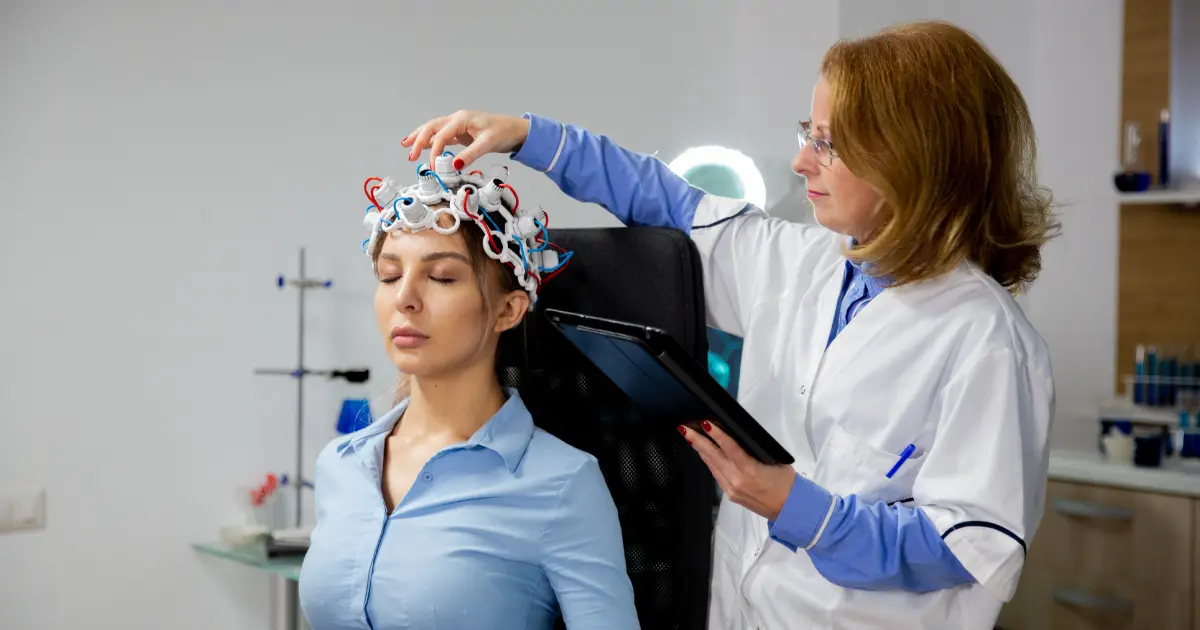
A neuro physiotherapy consultation is generally a collaborative process. The physiotherapist may ask questions about the person’s symptoms and daily challenges before performing physical and functional assessments.
Depending on the individual’s condition, the session may involve observing movements, walking, balance, transfers, posture, and other functional activities.
Patients and caregivers are encouraged to share information about difficulties noticed at home because these details can provide valuable insight into the person’s functional needs.
Neuro Physiotherapy Assessment at Neuronova
At Neuronova Physical Rehabilitation Center, neurological physiotherapy assessment is focused on understanding the individual rather than looking only at the diagnosis.
The assessment considers movement, functional ability, rehabilitation needs, and personal goals. Based on the findings, the physiotherapy team can develop a personalized rehabilitation approach that may include exercise therapy, balance training, gait training, functional practice, and other appropriate rehabilitation techniques.
The aim is to support safer movement, greater functional independence, and meaningful participation in everyday activities.
Conclusion
A comprehensive Neuro Physiotherapy Assessment can provide valuable information about how a neurological condition affects movement and daily function. By evaluating strength, muscle tone, balance, coordination, mobility, posture, and functional abilities, physiotherapists can better understand individual rehabilitation needs.
Assessment is not simply the first step of therapy—it can continue throughout rehabilitation to monitor progress and guide changes in the treatment approach. With appropriate evaluation and individualized rehabilitation, people with neurological conditions can work toward practical and meaningful functional goals.
If you or a family member is experiencing difficulties with movement, balance, walking, or daily activities due to a neurological condition, a professional assessment can help identify appropriate rehabilitation needs.
Disclaimer
The information provided in this article is intended for general educational and informational purposes only. It should not be considered a substitute for professional medical advice, diagnosis, or treatment. Neurological conditions can vary significantly from person to person, and rehabilitation needs should be determined through an appropriate assessment by a qualified healthcare professional.
If you are experiencing new, worsening, or unexplained neurological symptoms, consult a qualified medical professional for appropriate evaluation and guidance. The information shared by Neuronova Physical Rehabilitation Center is not intended to replace individualized clinical assessment or treatment.
Understanding Neurological Rehabilitation
Neurological rehabilitation plays an important role in helping people manage conditions that affect movement, mobility, and everyday function. According to the World Health Organization (WHO), rehabilitation can help individuals improve functioning and reduce disability associated with health conditions. Learn more about rehabilitation from the WHO.