If you have experienced an injury, difficulty moving, muscle weakness, balance problems, or ongoing discomfort, you may have heard about physiotherapy. But what is physiotherapy, and how can it support your health and recovery?
Physiotherapy is a healthcare profession focused on improving movement, physical function, strength, balance, and independence. It can be useful for people recovering from injuries, surgery, neurological conditions, age-related changes, or movement difficulties. Treatment is usually planned according to a person’s condition, abilities, and functional goals.
What Is Physiotherapy?
Physiotherapy is a form of rehabilitation that uses movement-based and hands-on approaches to help people improve their physical function. A physiotherapist assesses how a person moves and identifies factors that may be affecting mobility, strength, coordination, flexibility, or balance.
Rather than focusing only on a specific symptom, physiotherapy often looks at how a physical problem affects everyday activities. For example, difficulty walking may affect a person’s ability to climb stairs, work, exercise, or participate in family activities.
Depending on the assessment, a physiotherapist may develop an individualised treatment plan that includes therapeutic exercises, movement training, balance activities, functional practice, and other appropriate techniques.
What Does a Physiotherapist Do?
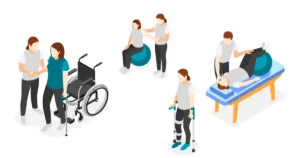
A physiotherapist is a qualified healthcare professional who helps people address movement and physical-function problems. Their role can vary depending on the individual’s condition and rehabilitation goals.
So, what does a physiotherapist do during an appointment?
A typical assessment may involve:
- Understanding the person’s symptoms, medical history, and daily challenges
- Observing posture and movement
- Assessing muscle strength and joint mobility
- Evaluating balance, coordination, and functional abilities
- Identifying limitations that affect everyday activities
- Creating an appropriate rehabilitation plan
- Teaching exercises and movement strategies
- Monitoring progress and modifying treatment when required
Physiotherapists may also educate patients and caregivers about safe movement, exercise routines, positioning, and ways to manage physical limitations at home.
What Does Physiotherapy Treatment Involve?
Physiotherapy treatment is not the same for everyone. The approach depends on the person’s condition, physical abilities, stage of recovery, and goals.
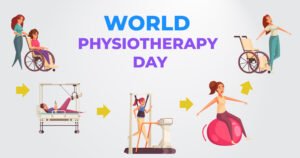
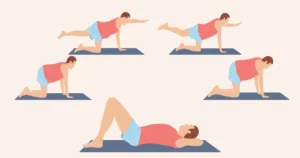
Treatment may include therapeutic exercises designed to improve strength, flexibility, endurance, coordination, or movement control. Functional training can also be used to practise activities such as walking, standing, transferring, reaching, or climbing stairs.
Other approaches may include:
- Balance and coordination training
- Gait and walking training
- Mobility exercises
- Strengthening exercises
- Flexibility and range-of-motion exercises
- Functional rehabilitation
- Neurological rehabilitation
- Post-surgical rehabilitation
- Patient and caregiver education
The purpose is to help individuals develop better physical function and participate more confidently in daily activities.
Physiotherapy Benefits
The physiotherapy benefits can differ from one person to another. For some people, the main goal may be improving mobility after an injury. For others, physiotherapy may focus on maintaining independence or improving functional abilities associated with a neurological or long-term condition.
Potential benefits include:
Improved Movement
Targeted exercises and movement training can help improve mobility and make everyday movements more manageable.
Increased Strength
A structured strengthening programme may help address muscle weakness and support functional activities.
Better Balance and Coordination
Balance training can be particularly useful for people who experience instability or difficulty coordinating movements.
Support During Recovery
Physiotherapy can form part of rehabilitation following certain injuries, surgeries, illnesses, or periods of reduced physical activity.
Greater Functional Independence
By practising meaningful daily activities, rehabilitation can help people work toward greater independence in tasks such as walking, transfers, and self-care.
Improved Confidence With Movement
Learning appropriate movement techniques and progressing through exercises can help individuals become more confident in using their bodies safely and effectively.
Why Is Physiotherapy Important?
The importance of physiotherapy extends beyond exercise alone. Physical limitations can influence work, education, social participation, self-care, and overall quality of life.
Early assessment can help identify movement limitations and establish realistic rehabilitation goals. Physiotherapy can also provide ongoing support for people managing long-term conditions where maintaining mobility, strength, and function is an important part of daily care.
For children, physiotherapy may support the development of age-appropriate motor skills. For older adults, it may focus on mobility, balance, strength, and maintaining independence. People recovering from neurological conditions may require specialised rehabilitation to work on walking, coordination, balance, and functional movement.
Who Can Benefit From Physiotherapy?
Physiotherapy may be considered for people with a wide range of movement and functional challenges. It can be part of rehabilitation for individuals recovering from injuries or surgery, as well as those living with neurological or other long-term conditions.
Depending on the area of practice, physiotherapy may support people experiencing:
- Difficulty walking or maintaining balance
- Muscle weakness
- Reduced mobility
- Movement or coordination difficulties
- Recovery following surgery or injury
- Neurological rehabilitation needs
- Developmental motor delays in children
- Reduced physical function after prolonged illness or hospitalisation
A physiotherapy assessment can help determine whether rehabilitation is appropriate and what type of support may be suitable.
What Can You Expect During a Physiotherapy Session?
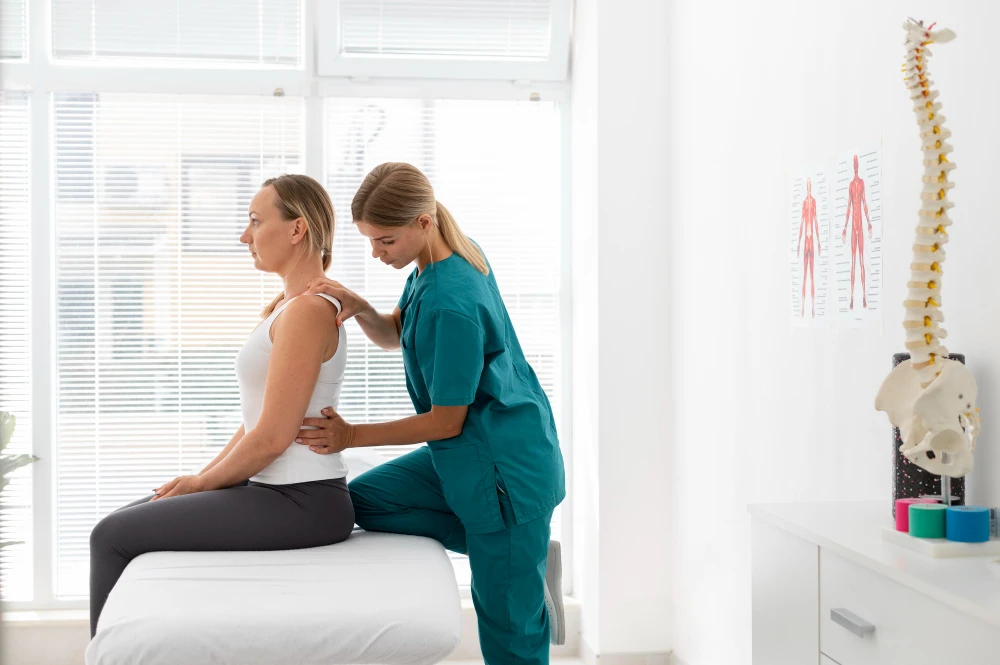
Your first session will generally begin with an assessment. The physiotherapist may ask about your concerns, medical history, daily activities, and rehabilitation goals. They may then assess movement, strength, balance, flexibility, coordination, or other relevant physical functions.
Based on the findings, the physiotherapist can explain the rehabilitation approach and recommend suitable exercises or activities. Follow-up sessions may focus on progressing exercises, practising functional movements, reviewing changes, and adapting the programme according to your progress.
The number and frequency of sessions can vary depending on the person’s condition and individual goals.
Conclusion
Understanding what is physiotherapy can help you see that it is more than simply performing exercises. Physiotherapy is a personalised approach to improving movement, physical function, and participation in everyday life.
Whether someone is recovering from an injury, adapting to a neurological condition, rebuilding strength after surgery, or working toward better mobility and independence, physiotherapy can be an important part of a broader rehabilitation plan.
If you are experiencing movement difficulties or physical limitations, a qualified physiotherapist can assess your needs and help determine an appropriate course of rehabilitation.
Disclaimer
This article is intended for general educational and informational purposes only. It does not constitute medical advice, diagnosis, or treatment. Physiotherapy needs can vary from person to person. Always consult a qualified healthcare professional for an appropriate assessment and personalised advice regarding your condition. Do not begin, change, or stop any exercise or treatment programme based solely on the information provided in this article.