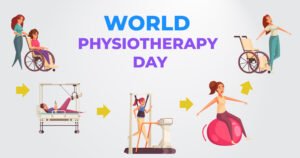
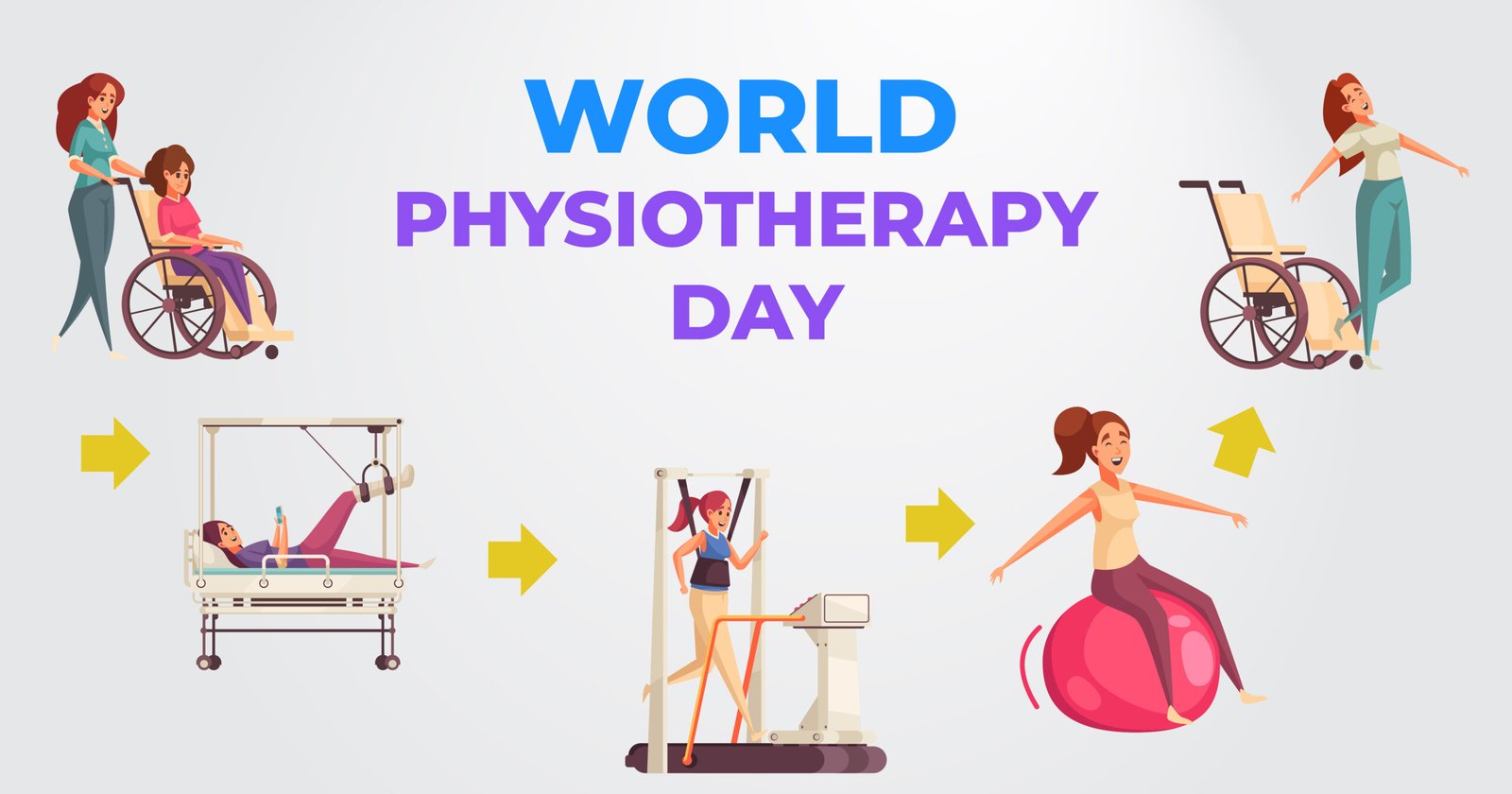
World Physiotherapy Day is observed every year on 8 September to recognise the valuable contribution physiotherapists make to health, rehabilitation, mobility, and overall quality of life. It is an opportunity to create awareness about physiotherapy and highlight how movement-based care can support people across different stages of life.
From rehabilitation after illness or surgery to improving balance, strength, mobility, and functional independence, physiotherapy has an important role in helping individuals achieve meaningful everyday goals.
What Is World Physiotherapy Day?
An international awareness day dedicated to the physiotherapy profession and its contribution to people’s well-being. Celebrated on September 8, it brings attention to the knowledge, skills, and professional care provided by physiotherapists.
World Physiotherapy Day 2026 provides another opportunity to recognise the evolving role of physiotherapy in modern healthcare. Physiotherapists work with individuals with different functional needs and develop structured rehabilitation programmes based on assessment, abilities, and personal goals.
The day also encourages people to understand that physiotherapy is not limited to one type of condition or age group. It can be an important part of rehabilitation, physical activity, movement training, and maintaining independence.
Why Is World Physiotherapy Day Celebrated?
The primary purpose is to increase public awareness of physiotherapy and recognise the important work of physiotherapists around the world.
The day highlights how physiotherapy can contribute to physical function and participation in everyday activities. It also provides an opportunity to educate communities about the value of professional assessment, personalised rehabilitation, exercise-based interventions, and ongoing support.
The importance of this awareness goes beyond celebrating the profession. It encourages people to learn more about movement, rehabilitation, prevention, and the different ways physiotherapy can support functional well-being.
Understanding the Importance of Physiotherapy
The importance of physiotherapy can be seen in the way it focuses on movement and function. Everyday activities such as walking, standing, reaching, climbing stairs, maintaining balance, or participating in recreational activities can become challenging for various reasons.
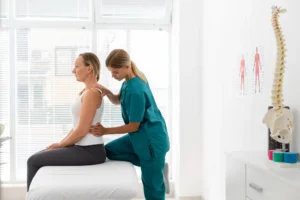
Physiotherapy can help address these challenges through an individualised approach. Depending on a person’s needs, a physiotherapist may use therapeutic exercises, movement training, balance activities, functional practice, education, and other evidence-informed techniques.
Rather than following the same programme for everyone, physiotherapy treatment can be adapted according to a person’s current abilities, goals, and progress.
Key Physiotherapy Benefits
There are several potential physiotherapy benefits, particularly when treatment is appropriately planned and monitored. These may include:
- Supporting mobility and functional movement
- Improving strength and physical capacity
- Developing balance and coordination
- Supporting rehabilitation after illness, injury, or surgery
- Encouraging greater independence in daily activities
- Helping individuals work towards specific functional goals
- Supporting participation in everyday and recreational activities
The benefits can vary depending on the individual’s condition, rehabilitation goals, consistency, and response to treatment.
Who Can Benefit from Physiotherapy?
People of different ages and with different functional requirements may benefit from professional physiotherapy assessment and rehabilitation.
Physiotherapy may be incorporated into care for individuals undergoing neurological rehabilitation, paediatric rehabilitation, post-surgical rehabilitation, sports rehabilitation, women’s health physiotherapy, balance training, or other forms of physical rehabilitation.
For some individuals, the focus may be improving walking and balance. For others, it may involve developing strength, coordination, flexibility, functional skills, or confidence in performing everyday activities.
A qualified physiotherapist can assess the individual’s needs and recommend an appropriate rehabilitation approach.
The Role of Physiotherapy in Rehabilitation
The role of physiotherapy in rehabilitation extends beyond individual exercises. A physiotherapist begins by understanding the person’s functional abilities, challenges, and goals. This assessment helps establish a suitable rehabilitation plan.
During physiotherapy rehabilitation, progress can be monitored and exercises or activities can be adjusted as abilities change. The approach may include movement practice, strength training, balance activities, functional exercises, mobility training, and education.
An important part of rehabilitation is helping individuals apply the skills developed during sessions to their everyday activities. This can make therapy more meaningful and goal-oriented.
Celebrating the Profession
It is a reminder of the positive role physiotherapy can play in supporting movement, rehabilitation, and independence. It is also an opportunity to appreciate physiotherapists who work with individuals and families to achieve practical and personalised rehabilitation goals.
As healthcare continues to evolve, physiotherapy remains an important field focused on helping people improve physical function and participate more confidently in daily life.
Moving Forward with Better Rehabilitation
World Physiotherapy Day September 8 is more than a date on the calendar. It is an opportunity to recognise the value of movement and the professionals who help people work towards better function.
Whether someone is beginning rehabilitation, working on mobility, developing balance, or aiming to improve everyday physical abilities, appropriate physiotherapy can provide structured guidance based on individual needs.
This World Physiotherapy Day, let us recognise the importance of movement, celebrate the profession of physiotherapy, and promote greater awareness of rehabilitation and functional independence.
Disclaimer: This content is for general informational purposes only and should not be considered a substitute for professional medical advice, diagnosis, or treatment.